Transforming Dental Care Through Sensory Awareness
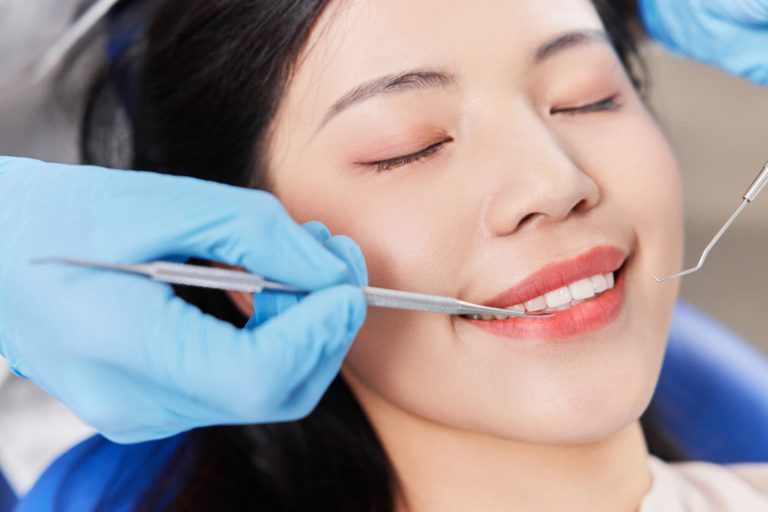
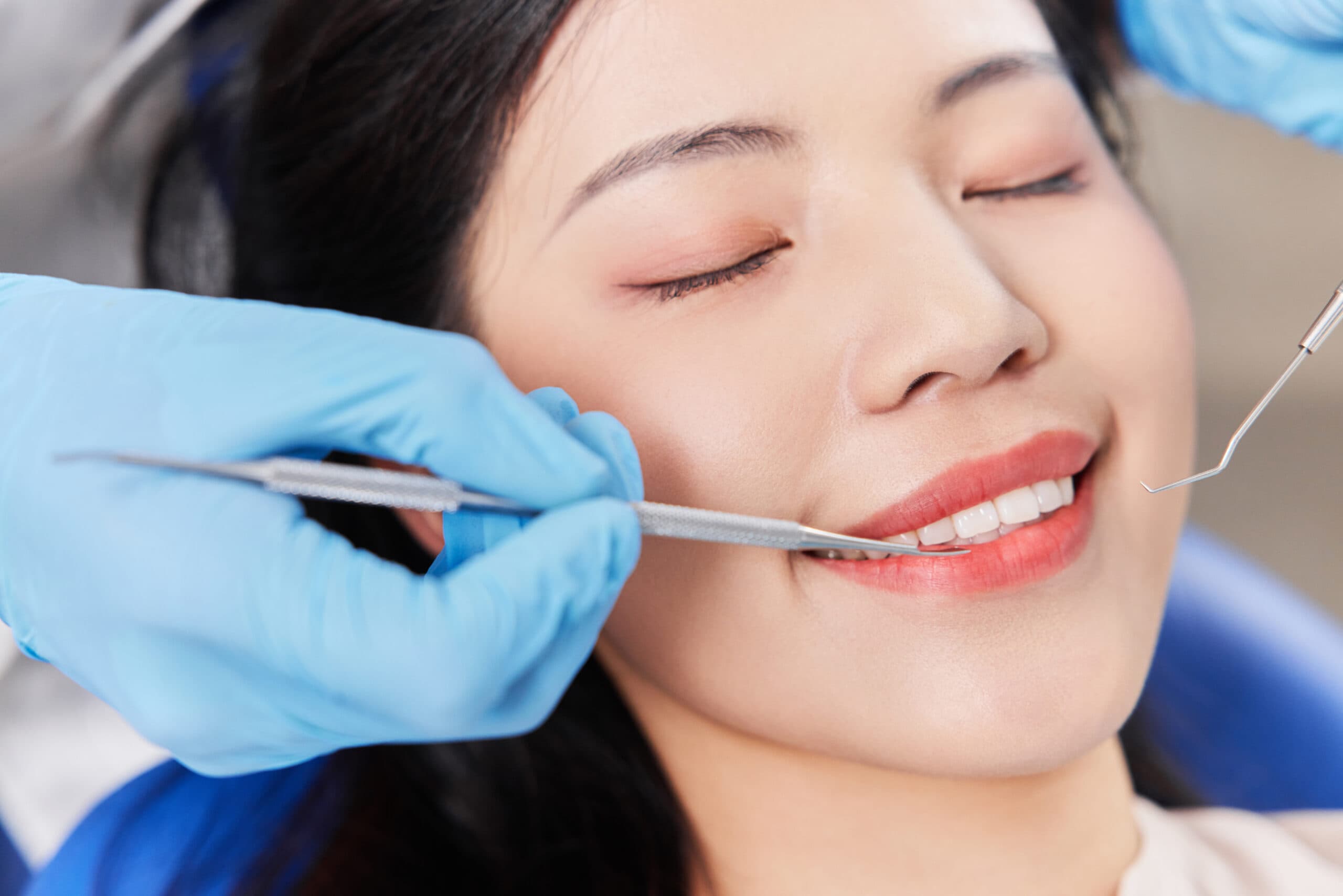
The dental surgery has long been regarded as a place of trepidation for many patients, with the distinctive sounds, smells, and sensations creating anxiety that can deter individuals from seeking essential oral healthcare. However, progressive dental practices, such as a dentist Brentwood, are revolutionising patient experiences through innovative sensory dentistry techniques that address the multifaceted nature of dental anxiety. These approaches recognise that successful treatment extends far beyond clinical expertise to encompass the entire sensory environment.
Modern dental professionals are increasingly acknowledging that traditional clinical settings may inadvertently overwhelm patients’ sensory systems. The harsh fluorescent lighting, clinical antiseptic odours, mechanical drilling sounds, and sterile atmosphere can trigger stress responses that compromise both patient comfort and treatment outcomes. Sensory dentistry techniques offer a comprehensive solution by creating therapeutic environments that actively promote relaxation and positive associations with dental care.
Understanding Sensory Processing in Dental Settings
Sensory processing encompasses how individuals receive, interpret, and respond to environmental stimuli through their five senses. In dental environments, patients simultaneously process multiple sensory inputs that can either enhance or diminish their comfort levels. Understanding sensory challenges when visiting dental practices reveals how these experiences can significantly impact patient cooperation and treatment success.
Research demonstrates that patients with sensory processing sensitivities, including those with autism spectrum conditions, ADHD, or generalised anxiety disorders, may experience heightened responses to dental environments. These individuals might find standard dental procedures overwhelming due to sensory overload, making traditional approaches to patient management less effective. Consequently, dental practices are adopting specialised techniques that accommodate diverse sensory needs whilst maintaining clinical standards.
Implementing Visual Comfort Strategies
Visual elements within dental surgeries play a crucial role in establishing patient comfort levels. Progressive practices are replacing harsh overhead lighting with adjustable LED systems that provide optimal visibility for practitioners whilst creating softer, more welcoming environments for patients. Colour psychology principles are being applied to surgery design, with calming blues and greens replacing stark whites and clinical greys.
Many forward-thinking dental practices are incorporating visual distraction techniques such as ceiling-mounted screens displaying nature scenes or calming imagery. These innovations help redirect patients’ attention away from clinical procedures whilst providing mental engagement that reduces perceived treatment duration and associated anxiety levels.
Auditory Environment Management
Sound management represents a cornerstone of effective sensory dentistry implementation. Traditional dental equipment produces distinctive high-pitched whirring, drilling, and suction noises that can trigger immediate stress responses in sensitive patients. Modern practices are investing in quieter dental equipment and implementing sound masking techniques to create more pleasant auditory experiences during treatment sessions.
Noise-cancelling headphones and personalised music selections allow patients to maintain control over their auditory environment whilst receiving treatment. Some practices offer guided meditation soundtracks or nature sounds that promote relaxation and reduce cortisol levels. These interventions prove particularly beneficial for patients who experience auditory hypersensitivity or those requiring longer treatment sessions.
Tactile and Olfactory Considerations
The tactile experience of dental treatment extends beyond the procedures themselves to encompass every surface patients encounter. Sensory-aware practices select furniture fabrics, equipment materials, and environmental textures that provide comfort rather than clinical sterility. Weighted blankets and textured comfort items offer additional tactile input that can help regulate nervous system responses during treatment.
Olfactory management involves carefully controlling scents within the clinical environment. Preparing patients with sensory sensitivities for dental visits often includes discussing scent preferences and sensitivities. Essential oil diffusers with calming lavender or vanilla scents can replace harsh antiseptic odours, whilst maintaining appropriate infection control standards through strategic placement and timing.
Specialised Approaches for Diverse Needs
Dental practices are increasingly recognising the importance of creating autism-friendly dental environments that accommodate neurodivergent patients. These specialised approaches include pre-visit familiarisation sessions, social stories explaining procedures, and flexible scheduling that accommodates individual sensory needs and energy levels throughout the day.
Communication strategies form an integral component of sensory dentistry, with practitioners learning to provide clear, predictable information about upcoming sensations. This preparation helps patients develop coping strategies and reduces anxiety associated with unexpected sensory experiences during treatment.
The Future of Patient-Centred Dental Care
Sensory dentistry techniques represent a fundamental shift towards truly patient-centred healthcare that recognises individual differences in sensory processing and environmental preferences. As dental professionals continue embracing these approaches, patients experience reduced anxiety, improved cooperation, and enhanced treatment outcomes. The integration of sensory awareness into standard dental practice protocols promises to transform oral healthcare accessibility and effectiveness for diverse patient populations across all demographics and sensory profiles.